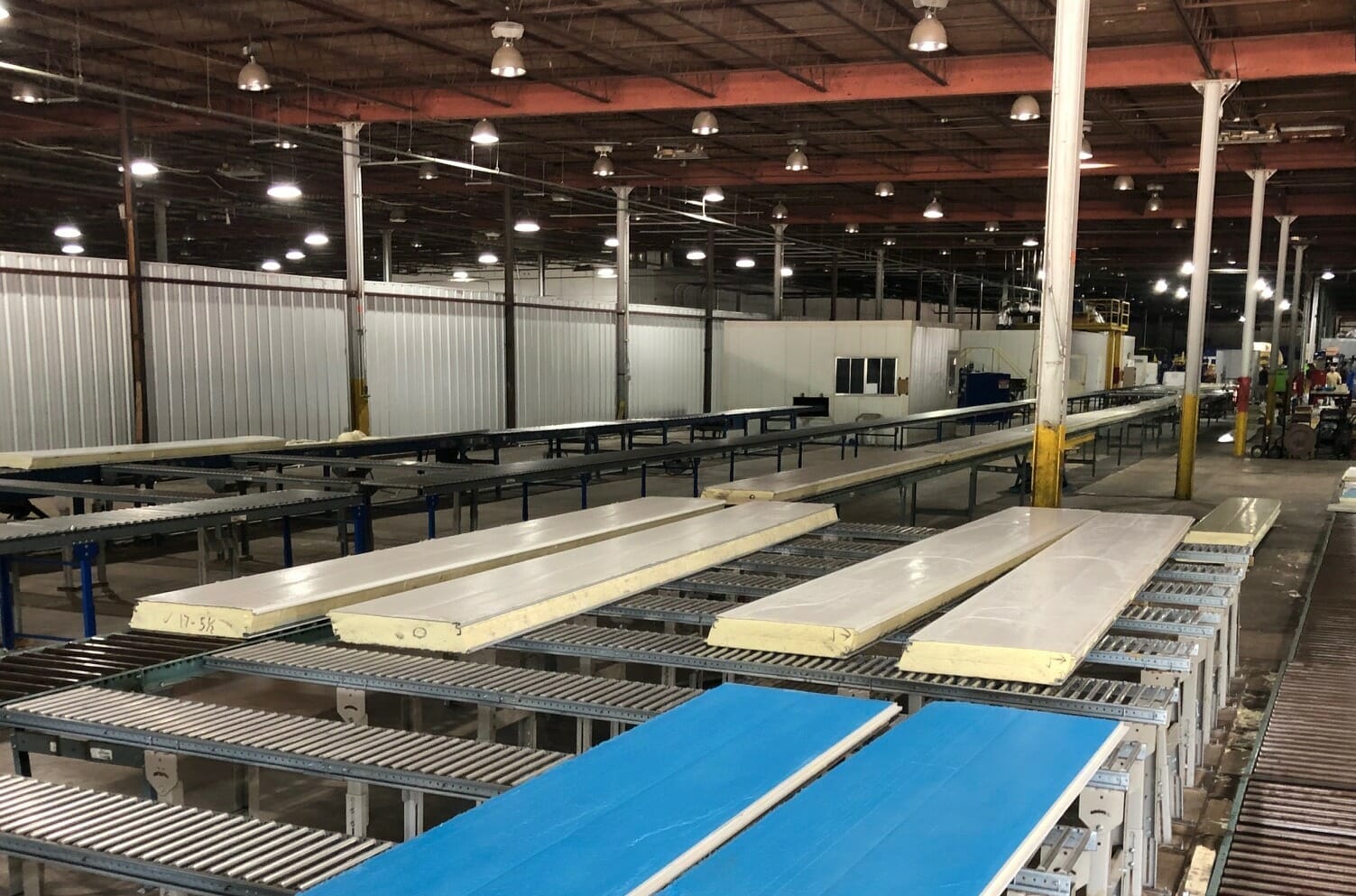
In the world of construction, the materials we choose play a pivotal role in the safety, efficiency, and longevity of our buildings. Among the many options available, Structural Insulated Panels (SIPs) have emerged as a standout choice, particularly due to their remarkable fire resistance. This article delves into the multifaceted benefits of SIPs, with a primary emphasis on their fire-resistant properties.
What Are Structural Insulated Panels?
Structural Insulated Panels are pre-manufactured building panels composed of an insulating foam core sandwiched between two structural facings, typically made of oriented strand board (OSB), plywood, or metal. SIPs are available in various sizes and thicknesses, making them adaptable for different building types, from residential homes to commercial structures.
Key Components of SIPs
- Core Material: The core is typically made from expanded polystyrene (EPS), extruded polystyrene (XPS), or polyurethane. This insulation material not only provides thermal resistance but also contributes to the panel’s overall structural integrity.
- Facing Material: The exterior layers, usually made from OSB or plywood, add strength and rigidity to the panel. These materials can also contribute to the fire-resistant properties of the SIPs.
- Seamless Construction: SIPs are designed to be installed with minimal seams, which helps to create an airtight envelope that enhances energy efficiency and overall durability.
Fire Resistance: A Primary Benefit
One of the most significant advantages of SIPs is their fire resistance. As fire safety becomes an increasingly critical concern in construction, understanding the features that enhance the fire performance of SIPs is essential.
1. Composition of Materials
The materials used in SIPs significantly influence their fire resistance. The foam core, while flammable in its raw state, is treated with fire retardants during manufacturing. This treatment enhances its ability to resist ignition and slow the spread of flames. For instance, some manufacturers utilize advanced insulation materials that have high fire performance ratings, making SIPs a safer choice compared to traditional insulation methods.
2. Enhanced Structural Integrity
SIPs are engineered for strength, which contributes to their fire performance. The solid structure of the panels means they can withstand high temperatures for a longer duration compared to conventional framing methods. In the event of a fire, SIPs do not warp or bow as easily, maintaining their integrity and potentially providing additional time for occupants to escape and for firefighters to respond.
3. Reduced Flame Spread
The seamless construction of SIPs minimizes gaps and seams, which are often the pathways for flames to spread through a building. The continuous surface created by SIPs helps contain fire and smoke, reducing the overall risk of fire damage and improving safety.
4. Building Codes and Standards
SIPs are subject to rigorous testing and must meet stringent building codes related to fire safety. Many SIPs are classified as Class A materials, meaning they have a high resistance to fire and do not produce significant smoke. This classification is crucial for commercial buildings and multi-family dwellings, where fire safety regulations are particularly stringent.
Additional Benefits of SIPs
While fire resistance is a standout feature, the benefits of building with Structural Insulated Panels extend beyond this critical aspect.
1. Energy Efficiency
SIPs provide superior insulation compared to traditional building methods. The solid foam core creates a thermal barrier that reduces heat loss in the winter and keeps interiors cooler in the summer. This energy efficiency translates to lower utility bills, making SIPs an economically appealing choice for homeowners and builders alike.
2. Speed of Construction
SIPs are prefabricated in a factory setting, allowing for quicker assembly on-site. This reduction in construction time not only saves labor costs but also minimizes exposure to the elements, further enhancing the integrity of the building.
3. Environmental Benefits
SIPs contribute to sustainability in construction. Their energy efficiency results in lower energy consumption, while the manufacturing process can produce less waste compared to traditional methods. Additionally, SIPs can be made from recycled materials, and their durability means that buildings are less likely to require extensive renovations or rebuilds.
4. Design Flexibility
SIPs can be used in various architectural designs, from contemporary to traditional. Their versatility allows architects and builders to create innovative structures without compromising on structural integrity or fire safety.
5. Reduced Labor Costs
The ease of installation associated with SIPs can lead to significant savings in labor costs. Fewer materials and less time on-site mean that builders can allocate resources more efficiently.
Case Studies: SIPs in Action
To illustrate the practical benefits of SIPs, let’s explore a couple of case studies that highlight their fire resistance and overall effectiveness.
Case Study 1: Residential Home
In a suburban development, a builder opted for SIPs for constructing a series of single-family homes. The decision was primarily driven by energy efficiency and fire safety concerns. During a regional wildfire event, the SIP homes stood resilient against the flames, while neighboring traditional homes experienced significant damage. The fire-resistant properties of the SIPs not only protected the structures but also provided peace of mind to the homeowners.
Case Study 2: Commercial Building
A commercial office building was constructed using SIPs to meet stringent energy efficiency and fire safety standards. During a fire safety inspection, the SIPs received high marks for their ability to resist flames and smoke, leading to lower insurance premiums for the building owner. The building’s reduced energy consumption further enhanced its sustainability credentials, making it an attractive option for environmentally-conscious tenants.
Conclusion
The benefits of Structural Insulated Panels are manifold, but their fire resistance stands out as a crucial factor in modern construction. As we navigate a world where safety, efficiency, and sustainability are paramount, SIPs offer a compelling solution. Their unique composition, structural integrity, and compliance with rigorous fire safety standards make them an excellent choice for both residential and commercial building projects.
Investing in SIPs not only ensures a safer living or working environment but also promotes energy efficiency and sustainability. As the construction industry continues to evolve, the adoption of innovative materials like SIPs will play a significant role in shaping the future of building design and safety. Whether you are a builder, architect, or homeowner, considering Structural Insulated Panels can provide peace of mind and a multitude of long-term benefits.